Diesel diagnostics
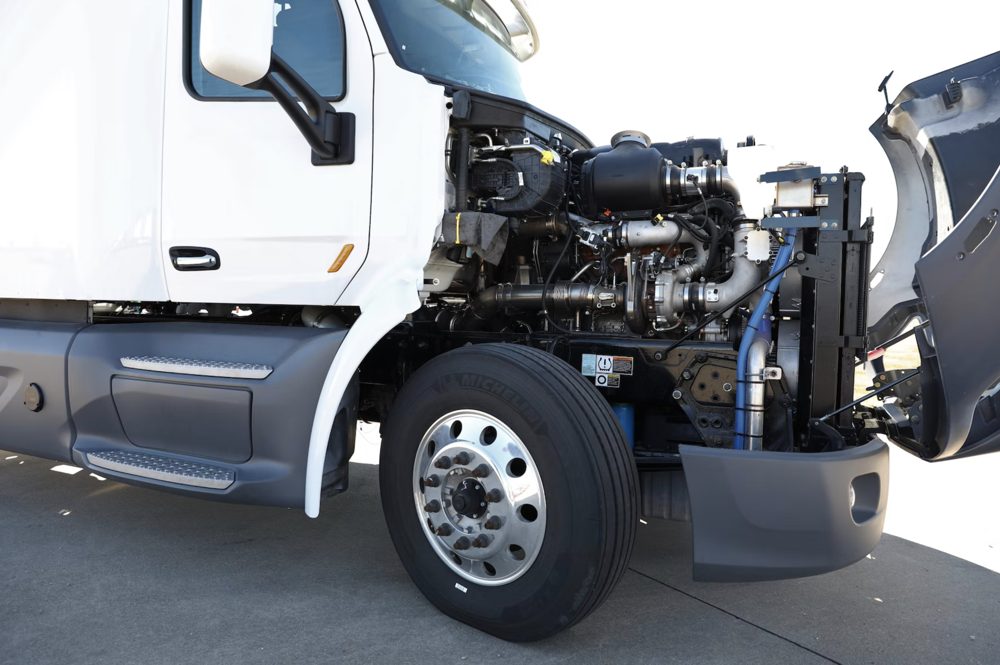
Fault scans, no-start tracing, derate calls. The scanner comes out before any part goes on, every time.
Every hour a drayage tractor sits dead near the Port of Oakland, a container misses a window somebody already paid for. Oakland On-Site Truck Repair works where port trucking actually happens: the terminal queues, the West Oakland yards, the 880 corridor, and every dock between Emeryville and the San Leandro line. The truck stays put. The repair comes to it.
I-880 is the truck spine of the East Bay and it earns its reputation. Blowouts in the Coliseum stretch, dead tractors at the 98th Avenue exits, and the daily grind of drayage equipment that works harder than anything on the highway. We know which yards have room to work, which gates want an escort, and that a truck cannot legally take 580 through the hills, so nobody suggests it.
Off the freeway it is ports and produce. Middle Harbor Road queues, the cold storage docks, the East Bay distribution parks. Short-haul equipment gets inspected less and worked more, which is exactly the combination that quits on a Tuesday with a box on.
We ask where the truck sits, what it is doing, whether it is loaded, and what the dash says. From that we tell you what it probably is, whether it fixes on-site, and when we can be there. If the honest answer is a shop or a tow, you hear that on the phone, free, instead of paying us to drive out and say it.
Terminal work has rules and we respect them. TWIC where it applies, escorts where required, and no pretending a repair can happen in a queue lane when it cannot. Port dispatchers call us back because we do not waste their slots.
Fault scans, no-start tracing, derate calls. The scanner comes out before any part goes on, every time.
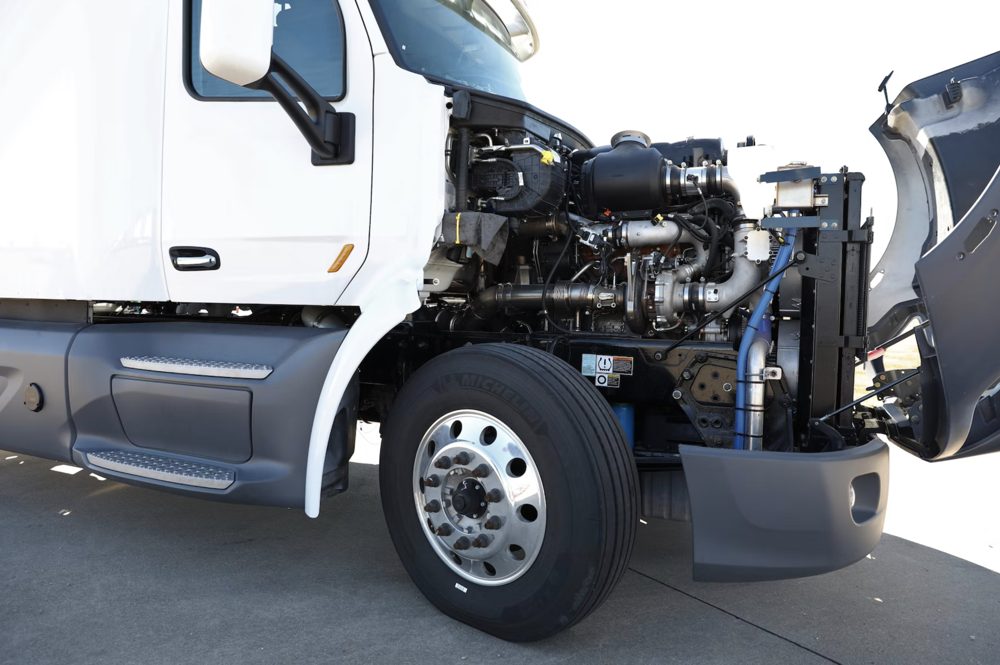
Chambers, valves, leaks, adjusters, ABS faults. Drayage brake wear is brutal and we treat every brake call like the DOT is watching, because eventually they are.
Container chassis lights, air, and structure checks. Dropped trailers at docks. The gear that fails gate inspections gets fixed at the gate.
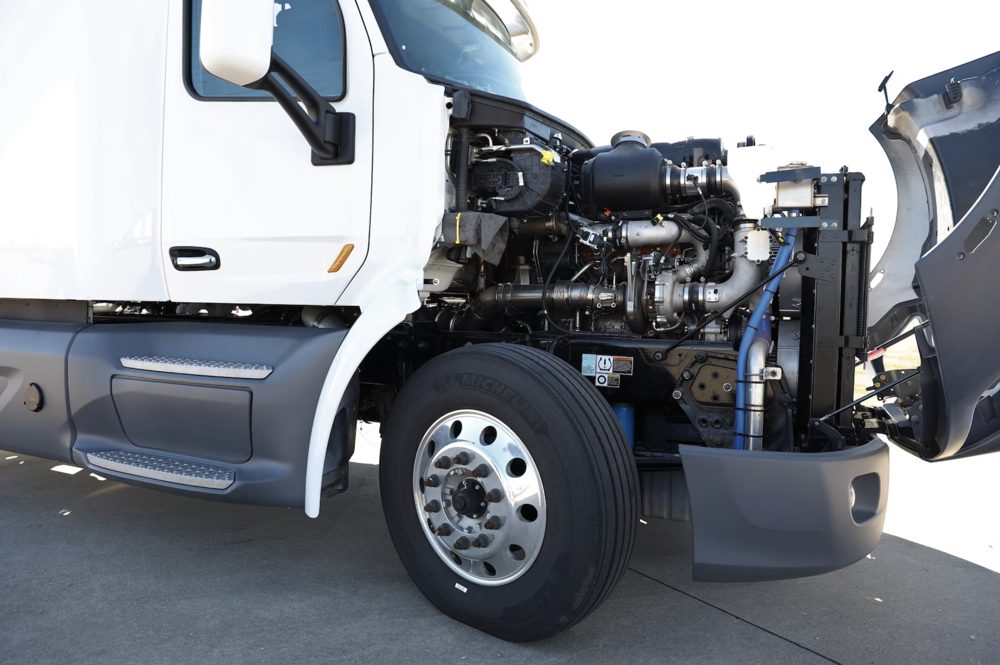
Batteries load-tested, alternators verified, grounds chased. Salt air eats connections here and we know where to look first.
Changeouts and repairs with your spare or a sourced tire, torqued to spec, mate tire checked on every dual.
Scheduled rounds for drayage and delivery fleets: PMs, inspections, and the small stuff that becomes a queue-lane breakdown if nobody catches it.
Port trucking runs on margins too thin for guesswork. When we finish a call we hand back a decision, not a shrug: the unit is safe to work, or it needs one more repair before the next move, or it is a shop job and here is why. Dispatchers use that to protect their windows. Owner-operators use it to protect their week.
Recurring yard customers get unit history. Same chassis, same corroded pigtail, third time: that is a purchasing conversation, not a repair, and we will say so.
Photos beat descriptions, and terminal details beat everything. If the truck is inside a port facility, the gate, lane, and escort rules decide how fast anyone reaches you, so lead with those.
Usually yes. If it is in a live queue we coordinate with the terminal so the work happens somewhere safe, even if that means helping you limp it to the staging area first.
All day. Lights, seven-way circuits, air lines, tires, landing gear. A chassis that fails a roadability check is a parked container, and we fix it where it is parked.
Get it somewhere safe and call with the code. Some derates are a sensor or filter fix on the spot. Emissions locks are not. We tell you which one you have before you make a bad plan.
Yes. Port hours are not business hours and the phone knows that.
Yes. The Nimitz corridor from downtown through San Leandro, the airport cargo aprons, and the East Bay yards in between. That stretch is where our service trucks live all day.
Yes. Yard visit schedules, per-unit histories, and one number that answers at night. Call and ask for the fleet setup and we will sort the details on the first call.
Drayage equipment lives a hard life in a small radius. Short runs never fully charge batteries, port idling glazes injectors, and the stop-and-go on Maritime Street wears brakes that would last years on a linehaul tractor. When we quote a fix here we factor that duty cycle in, because a part that survives Kansas does not always survive the port loop.
Salt air is the quiet villain. Connectors that look fine fail under load, and half our chassis lighting calls end at a green-crusted pin nobody could see from the outside. It is why we test circuits instead of swapping bulbs, and why the fix usually stays fixed.
The question behind every call is not what broke, it is where the fixing should happen. Our rule is simple and we apply it out loud. If the repair can be done safely, to spec, in the space available, it happens at the truck. Batteries, alternators, most air leaks, chassis lights, tires, many brake jobs: on-site, done, rolling. If it needs a lift, a press, a cleanroom, or four uninterrupted hours, pretending otherwise on a gravel shoulder helps nobody. You get the shop verdict with the diagnostic already finished, which means the bay you do visit starts the job instead of starting over.
That discipline is most of why fleets keep our number. Anyone can say yes to work. The trick is saying yes only when the truck agrees.
A dead reefer is a countdown, not a breakdown. Cold chain loads out of the produce terminals and the cold storage docks get moved to the front of the line, and the first phone conversation covers the load temp, the setpoint, and how long the box has been off. Sometimes the right first move is a rental genset or a dock door while the repair happens. Saving the load and fixing the unit are two different jobs, and we plan them in that order.
The same urgency math applies to anything with a vessel cutoff attached. Tell us what the clock says and we will tell you honestly what fits inside it. When the numbers do not work, knowing early is worth more than a heroic attempt that fails at the gate.
A chassis that fails at the gate does not just lose a repair window, it loses its place in line. We run roadability-style checks in the yard before equipment heads for the terminal: lights, air, tires, landing gear, twist locks. Ten minutes in your lot beats an hour of gate rejection theater, and the drivers stop gambling their mornings on a marker lamp.
The port does not close at five and vessel cutoffs move for nobody. Night calls here are normal calls: same triage, same honest arrival window, just darker. If your window is tight, say so first. We would rather tell you a hard truth about timing than let a container miss its ship politely.
Terminal, yard, dock, or the 880 shoulder. Say where it sits and what it is doing, and a technician rolls with the parts that match the symptoms. That is the entire process.